The Importance of Regular Air Compressor Maintenance

Commercial air compressors are essential in many industries, from manufacturing and construction to healthcare. They power various machines and tools, helping businesses perform daily tasks efficiently. Like any machine, air compressors need regular care to keep running well. Neglecting air compressor maintenance can lead to costly problems, reduced efficiency, and shorter equipment life. Continue reading to learn about the importance of regular maintenance and how keeping your compressor in top shape can save money in the long run.
Why Regular Air Compressor Maintenance Matters

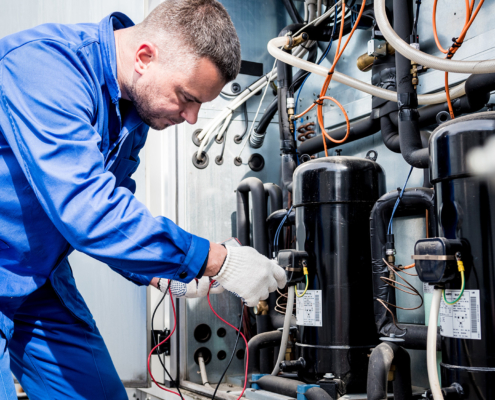
Regular maintenance helps spot minor problems early before they become serious issues, prevents expensive repairs and downtime, and keeps your business running smoothly.

A well-maintained air compressor lasts much longer. This means you won’t have to replace expensive equipment often, saving your business money. When parts are clean and working correctly, the compressor runs efficiently and uses less energy, reducing your power bills.

Routine checks can also find leaks, pressure issues, and other hazards before they become dangerous. A compressor in good condition provides steady air pressure, helping you avoid accidents and maintain a safe workplace.

Key Parts to Check During Maintenance

Certain essential components require regular inspections and maintenance checks to keep your compressor running safely and smoothly. Regularly inspecting these parts helps detect minor issues before they escalate into costly problems, ensuring your equipment operates efficiently and safely over the long term:

  • Air Filters catch dirt and dust. When they get clogged, compressors have to work harder and wear out faster. Regularly changing filters protects your compressor’s internal parts and improves airflow.
  • Oil and Lubrication: Moving parts need oil to prevent friction and overheating. Without proper lubrication, parts wear down quickly, leading to expensive repairs.
  • Drain Valves: Moisture inside compressors causes rust and corrosion. Regular draining prevents these problems, helping compressors last longer.
  • Belts and Hoses: Over time, belts and hoses crack, loosen, or wear out. Checking them regularly prevents leaks, pressure loss, and sudden breakdowns.
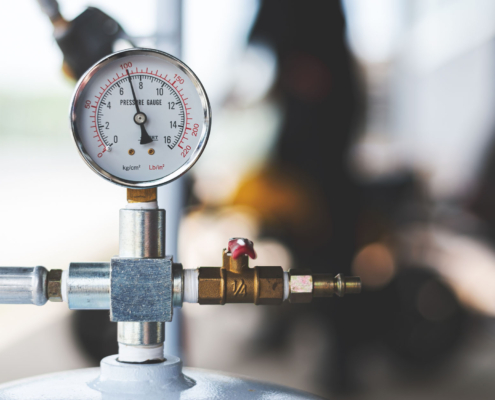
  • Pressure Gauges and Safety Valves: These regulate the pressure. If they fail, the compressor might operate dangerously or inefficiently. Checking them regularly keeps everyone safe.

How Often Should You Service Your Air Compressor?

How often you should service your compressor depends greatly on how frequently it’s used and the environment in which it’s placed. Compressors operating in dusty or dirty conditions, or those running continuously, will need maintenance more often. Proper scheduling helps prevent breakdowns, ensures efficient performance, and extends the lifespan of your equipment. Here’s a straightforward guide to help you establish a routine maintenance schedule:

  • Daily: Quickly check for leaks, strange sounds, and proper pressure levels. Fixing issues early prevents major breakdowns.
  • Weekly: Inspect air filter drain for water buildup, and look for worn or damaged belts and hoses. Catching minor issues early prevents bigger, costly repairs later.
  • Monthly: Check safety valves, pressure gauges, and overall system performance. Proper adjustments keep your compressor running smoothly.
  • Quarterly: Replace filters, lubricate moving parts, and thoroughly inspect the system. This deeper maintenance improves reliability and lifespan.
  • Annually: Have a professional do a detailed inspection and tune-up. Expert checks ensure your compressor stays safe, efficient, and meets industry standards.

Does Regular Maintenance Save Energy?

Yes, regular maintenance significantly reduces energy use. Well-maintained compressors run more efficiently because their motors don’t have to work as hard. Dirty filters and clogged parts force the compressor to use extra energy, increasing power bills. Regular cleaning, lubricating, and inspections keep the compressor working smoothly and using less electricity. Here are some key ways regular maintenance helps save energy:

  • Clean Air Filters: Regularly changing or cleaning air filters allows compressors to pull air easily, reducing the amount of energy needed.
  • Proper Lubrication: Ensuring moving parts are well-lubricated reduces friction and heat, lowering energy consumption.
  • Addressing Air Leaks: Even tiny leaks force compressors to run longer, wasting significant energy. Regular inspections catch and fix these leaks quickly.
  • Optimizing Pressure Settings: Regular maintenance ensures the compressor operates at the right pressure levels, avoiding energy waste from unnecessary high pressure.
  • Preventing Overheating: Maintenance keeps compressors from overheating, which can drastically increase energy usage.

Companies that regularly maintain their compressors enjoy lower monthly energy bills, improved overall performance, and extended equipment lifespan.

The Cost of Skipping Maintenance

Skipping maintenance can seem like a way to save money in the short term, but it costs much more in the long run. Poor maintenance causes frequent repairs, reduced compressor life, higher energy bills, and lost productivity. Neglected equipment can also fail safety inspections, leading to fines or forced shutdowns.

Consistent airflow is crucial for most industries. Unreliable compressors negatively impact manufacturing processes, construction projects, medical services, and more. Poor airflow or pressure issues can cause production problems, leading to low-quality products or unsafe conditions.

Discover how air compressor solutions from A&G services can keep your compressor running smoothly.

Extra Tips for Improving Air Compressor Efficiency

In addition to regular scheduled maintenance, you can take several extra steps to significantly improve your compressor’s efficiency and performance. Following these practical tips will help you save energy, lower operating costs, and ensure your compressor operates reliably over the long term:

  • Keep the Area Clean: Dust and dirt can clog filters, causing compressors to overwork. Keep the compressor area clean and free of debris.
  • Choose the Right Size Compressor: A compressor that’s too big wastes energy, while one that’s too small may be overworked. Match the compressor size to your needs for the best efficiency.
  • Correct Pressure Settings: Avoid setting pressure levels higher than needed. Lowering pressure to match your equipment’s requirements saves energy and reduces strain on your compressor.
  • Proper Ventilation: Compressors generate heat and need good airflow to stay cool. Ensure your compressor is placed in a well-ventilated area to avoid overheating and maintain efficiency.
  • Inspect and Seal Air Leaks: Regularly check for and quickly repair leaks. Even small leaks waste significant energy over time and cost money.
  • Schedule Preventative Checks: Regularly scheduled maintenance stops problems before they become big. A preventative approach is always better than waiting for breakdowns.

Choose A&G Services for Your Air Compressor Maintenance

Maintaining an air compressor can be tricky, but A&G Services makes it simple. Our team offers expert maintenance services to keep your commercial air compressor running efficiently. We handle system inspections, lubrication management, leak detection, belt and hose replacements, and safety valve testing. Whether you operate a small shop or a large facility, we ensure your compressors perform efficiently and reliably. Contact us today and let our experts take care of your maintenance needs.

More Like This

The Role of Commercial Air Compressors in Various Industries
Meeting ADA Plumbing Requirements: What You Need to Know
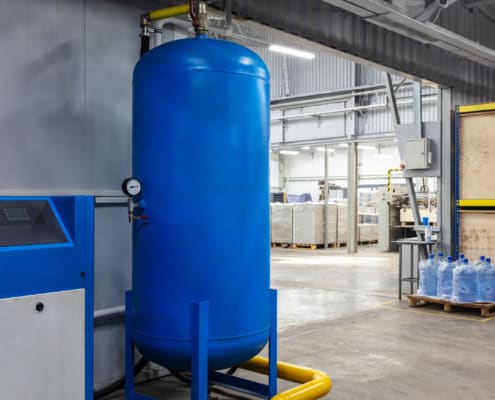
compressor with tank