Commercial Plumbing Maintenance: Common Issues Fort Worth Facility Managers Can’t Ignore

A leaking fixture or slow-moving drain may seem like a minor inconvenience in a commercial facility, but left unaddressed, small plumbing issues compound quickly into unplanned downtime, water damage, and repair costs that could have been avoided entirely. For facility managers overseeing large commercial and industrial properties in the Dallas-Fort Worth area, staying ahead of plumbing failures is a financial and operational priority, not just a maintenance preference.
Understanding the most common plumbing issues in commercial buildings is the first step toward a commercial plumbing maintenance strategy that keeps your facility running without costly interruptions.

Why Commercial Plumbing Maintenance Is a Facility Priority

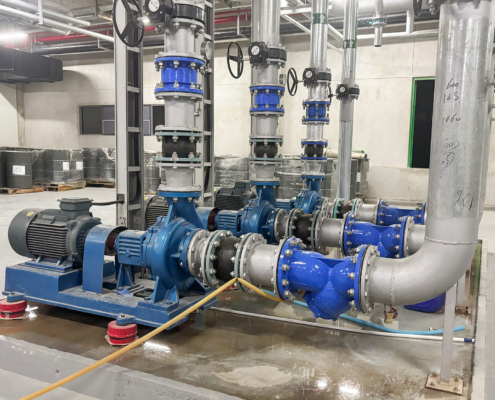
The scale of commercial plumbing systems is what separates them from residential. A commercial building can have dozens of fixtures, multiple restrooms, a mechanical room with a large water heater, and pipe runs extending across thousands of square feet. When something fails in that system, the impact is not limited to one unit or one occupant. It disrupts operations across the entire facility.

That is why commercial plumbing maintenance is not a reactive function for high-performing facility teams. Scheduled inspections, routine servicing, and documented maintenance logs are what prevent a $50 fixture repair from becoming a $15,000 water damage claim. A&G Services has provided structured plumbing maintenance programs to commercial and industrial facilities across Fort Worth since 1984, and the pattern is consistent: facilities that invest in preventive care spend significantly less on emergency repairs.

Common Plumbing Issues in Commercial Buildings

Commercial plumbing systems handle a volume of daily use that residential systems are not designed to absorb. That demand accelerates wear, exposes weak points, and makes common plumbing issues more frequent and more consequential than anything a homeowner would encounter.

The following are the failures A&G Services encounters most often during commercial plumbing maintenance visits at Fort Worth area facilities.

Leaky Faucets and Fixtures

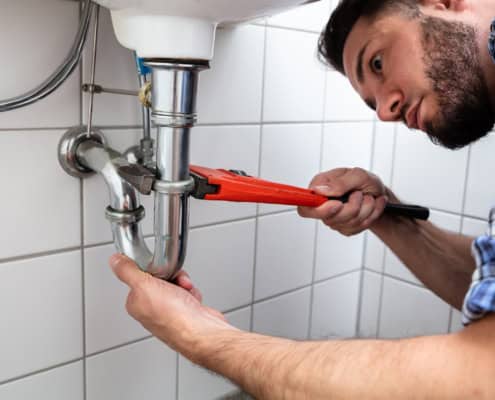
A single leaking faucet in a commercial restroom does not stay a single leak for long. According to the U.S. Environmental Protection Agency, a faucet dripping at one drip per second wastes more than 3,000 gallons of water per year. In a multi-restroom commercial facility, that waste accumulates across every floor, every breakroom, and every utility sink in the building.

A scheduled commercial plumbing maintenance visit catches fixture wear early, before water loss appears on utility bills and before a failed seal causes damage to surrounding walls or flooring.

Clogged and Slow-Moving Drains

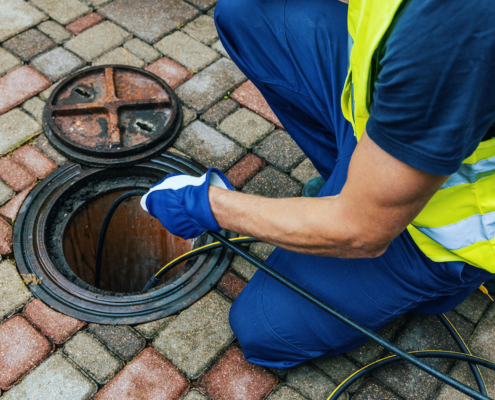
High-traffic facilities generate a different kind of drain load than a residential home. Grease buildup in kitchen lines, soap scum accumulation in restroom drains, and debris from industrial wash areas all contribute to slow or fully blocked lines. In a commercial building, a single clogged drain rarely stays isolated. Back pressure from one blocked line affects the performance of connected fixtures throughout the same floor.

Regular drain cleaning and inspection as part of a scheduled maintenance plan keeps flow rates consistent and prevents the kind of backup that forces a facility to take restrooms or production areas out of service.

Low Water Pressure

Low water pressure in a commercial facility is not simply an inconvenience for building occupants. It can signal a developing problem inside the piping system, including mineral buildup in supply lines, a partially closed valve in the distribution network, or early-stage pipe corrosion narrowing the effective diameter of the line.

Tracking water pressure readings over time is a standard part of A&G’s commercial plumbing maintenance program, which allows the team to catch pressure drops before they point to a larger infrastructure issue.

Running and Malfunctioning Toilets

Commercial toilets handle far more flushes per day than residential units, and that volume accelerates wear on internal components. A malfunctioning toilet in a commercial restroom with dozens of uses per hour becomes an occupant complaint within the same business day.

Beyond the complaint, a running toilet in a commercial facility can waste hundreds of gallons daily without triggering any visible alarm. Catching these failures during routine maintenance visits is consistently less expensive than an emergency after-hours call.

Pipe Corrosion and Deterioration

Older commercial buildings often run copper, galvanized steel, or cast-iron pipe systems that have been in place for decades. Corrosion from water chemistry, mechanical stress from building movement, and general aging at fittings and elbows all contribute to pipe failure over time.

A pipe that appears intact from the outside can be nearly compromised at a joint where corrosion has been advancing quietly for years. A commercial plumbing inspection that includes pressure testing and visual assessment of accessible piping identifies these failure points before they become a burst pipe inside a finished ceiling.

Water Heater Problems

Commercial water heaters carry a workload residential units are not designed to handle. Sediment buildup inside the tank reduces heating efficiency and shortens the unit’s service life. Relief valves can fail silently, leaving the system operating without its primary safety mechanism. In buildings that rely on continuous hot water for manufacturing, food service, or standard restroom use, a water heater failure creates an immediate operational disruption.

Routine flushing, anode rod inspection, and thermostat calibration are all elements of a plumbing preventive maintenance plan that keeps commercial water heating systems running reliably throughout the year.

If your Fort Worth facility does not have a structured plumbing maintenance plan in place, A&G Services offers commercial plumbing maintenance programs built around your building’s systems, operational schedule, and budget.

What a Planned Maintenance Visit Actually Covers

When A&G Services performs a plumbing maintenance visit at a commercial or industrial facility, the scope is systematic rather than reactive. The team is not responding to a complaint. They are working through a documented checklist designed to verify system performance and identify wear before it becomes a failure.

A typical visit covers:

  • Fixture condition and leak inspection across all restrooms, breakrooms, and utility areas
  • Drain flow testing and clearing of partial blockages before they fully obstruct
  • Water heater inspection including sediment flush, temperature verification, and relief valve testing
  • Water pressure readings at multiple points throughout the building to identify distribution inconsistencies
  • Visual inspection of accessible supply and waste lines for corrosion, joint wear, and improper support
  • Backflow preventer testing, which is required at regular intervals for commercial properties in Texas

This documented approach is what separates a reactive service call from a structured commercial plumbing maintenance relationship. A&G’s union-trained technicians have performed these visits across DFW commercial and industrial properties for over 40 years, with 24/7 availability for situations that cannot wait for the next scheduled appointment.

Warning Signs Your Facility Is Overdue for Commercial Plumbing Maintenance

Many facility managers do not reach out for a maintenance plan until something has already failed. By that point, the cost of the repair typically far exceeds what a structured plumbing preventive maintenance program would have cost over the same period. The following are warning signs that a DFW commercial or industrial facility is operating without adequate plumbing oversight:

  • Water bills increasing month over month without a clear explanation
  • Recurring drain slowdowns or backups in the same fixture locations
  • Visible rust staining around fixture drains, indicating pipe corrosion upstream
  • Fluctuating water pressure reported by occupants on specific floors or wings
  • Unusual sounds in walls or ceilings during high-demand periods, such as early mornings in occupied office buildings
  • Water heaters taking longer to recover or producing inconsistently heated water
  • A backflow preventer that has not been tested or documented within the past 12 months

Any one of these indicators warrants scheduling a commercial plumbing inspection to establish a system baseline and identify what is already developing beneath the surface. A&G Services performs these assessments as part of onboarding every new maintenance relationship, so facility managers have a clear documented picture of where the system stands before a schedule is built around it.

Keeping Fort Worth Facilities Running with the Right Maintenance Partner

Commercial facilities do not fail all at once. They degrade in increments, and the plumbing supporting them follows the same pattern. The issues covered in this post are not rare occurrences in commercial buildings. They are predictable failure points that show up consistently in facilities that rely on reactive service calls rather than a scheduled maintenance program. A&G Services was built to be the maintenance partner Fort Worth facility managers call before those problems reach the surface.

With 24/7 availability, union-trained plumbing technicians, and a program that spans commercial HVAC, plumbing, controls, and process piping, A&G offers the consolidated relationship that eliminates the coordination gaps that come with managing multiple contractors across multiple trades. Contact A&G Services to discuss how a commercial plumbing maintenance program can be structured around your facility’s specific systems, schedule, and budget.

More Like This

service worker cleaning blocked sewer line with hydro jetting
Industrial plumbing systems
Why Preventative Industrial Plumbing Maintenance is Critical for Facilities
Worker cleaning pipes with hose
Commercial water jetting
Side view interior industrial gas boiler with a lot of piping
Large industrial water treatment and boiler room
Hotel bathroom with modern architectural style
Side view of a maintenance man working on plumbing