10 Common AC Problems Commercial Buildings in Dallas Face

Keeping a large building cool through a Texas summer is no small feat. When an air-conditioning unit falters, tenants complain, employees lose focus, and energy costs soar. Dallas property managers who understand the most frequent failure points are in a stronger position to prevent surprise outages and budget-wrecking repairs.
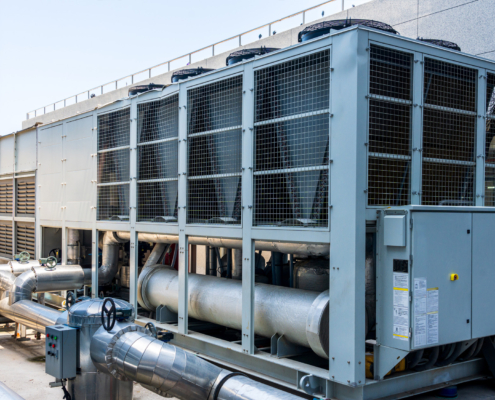
The guide below explains ten AC problems we see every week and why quick action keeps your rooftop units humming when temperatures climb past 100°F.

1. Inadequate Cooling or Hot Spots

Even a perfectly sized system can leave certain suites sweltering, causing repeated AC issues:

What’s Happening

Large duct runs, blocked vents, or an undersized air-handler fan can starve distant zones of chilled air. Glass-heavy façades on the west side of a tower compound the issue by adding solar heat gain in the afternoon.

Why It Matters

Uneven temperatures frustrate occupants and push thermostats lower in an effort to compensate. The harder the compressor works, the higher your utility bill. Left unchecked, chronic hot spots may signal a capacity shortfall that will shorten equipment life.

2. Clogged or Dirty Air Filters

Filters are the first line of defense against dust, pollen, and urban pollution.

What’s Happening

High foot traffic brings debris indoors. Construction nearby adds extra particulates. Filters load up fast and restrict airflow across the evaporator coil.

Why It Matters

Reduced airflow forces longer run times and spikes in power consumption. Pressure drop across a blocked filter strains blower motors and can freeze coils, leading to costly downtime in the middle of July.

3. Refrigerant Leaks or Low Refrigerant Levels

Pressurized refrigerant carries heat from inside to outside.

What’s Happening

Vibration, corrosion, or poorly brazed joints allow refrigerant to escape. The remaining charge cannot absorb enough heat, so the supply-air temperature creeps upward, and ice forms on the coil.

Why It Matters

A low charge causes the compressor to overheat. Repairs involve EPA-regulated handling, specialty gauges, and a deep vacuum pull, squarely in professional territory. Ignoring a leak risks compressor burnout and hefty replacement costs.

4. Electrical Component Failures

A commercial rooftop package contains an intricate web of wiring and control boards.

What’s Happening

Capacitors weaken with age, contractors pit, and loose lugs arc under high load. Frequent cycling during heat waves aggravates wear.

Why It Matters

Tripped breakers shut down entire air-handling sections without warning. Diagnosing intermittent faults during business hours adds labor charges and frustration for everyone onsite.

5. Thermostat Malfunctions or Poor Zoning

Modern high-rise floors feature conference rooms, server closets, and open offices, each with different comfort needs.

What’s Happening

A drifting thermostat sensor might read 72°F even when the space sits at 78°F. Motors in variable-air-volume boxes seize, leaving one area over-conditioned and another stuffy.

Why It Matters

Faulty controls waste energy while eroding occupant confidence. Balanced zoning keeps customers in retail spaces browsing longer and employees in office suites focused on work.

Our Dallas technicians pinpoint AC problems early and tune your system for peak efficiency. Schedule a maintenance plan to lock in comfort and lower energy bills all season.

6. Frozen Evaporator Coils

If you are noticing ice inside major components of your system, you have a serious issue:

What’s Happening

Restricted airflow or low refrigerant drops can cause the coil surface temperature to be below freezing. Moisture drawn from return air turns to ice, choking off the passage even more.

Why It Matters

A frozen coil eventually blocks airflow entirely, triggering a shutdown during peak heat. Correctly thawing a coil can take hours, halting comfort and productivity during the hottest part of the day.

7. Water Leaks from Drainage and AC Issues

Condensate management is critical in a high-humidity climate.

What’s Happening

Algae grows in condensate lines, float switches fail, or drip pans rust through. Water backs up and overflows into ceiling cavities or down interior walls.

Why It Matters

Moisture fosters mold growth, stains drywall, and can short out electrical equipment below. Once water damage sets in, insurance claims rise quickly.

8. Unusual Noises or Vibrations

A healthy system should fade into the background hum. If you are noticing noises regularly, you have an AC problem.

What’s Happening

Loose fan blades rattle, failing bearings grind, and compressor mounts crack. High winds on Dallas rooftops exacerbate vibration if equipment is not firmly secured.

Why It Matters

Noise complaints bring management to your door, but the bigger concern is mechanical failure. Vibration accelerates metal fatigue, raising the odds of a catastrophic fan-cage break or refrigerant line rupture.

9. High Energy Bills

A sudden utility-bill spike often hints at hidden AC problems.

What’s Happening

Slipping belts, fouled condenser coils, or drifting sensors make the system work longer for the same load. Dallas’s prolonged cooling season magnifies every inefficiency.

Why It Matters

Operating budgets take the hit long before equipment fails outright. System wear accelerates, and capital reserves still face replacement sooner than expected.

10. Poor Preventative Maintenance

The most common AC problems are the easiest to avoid. Scheduling regular maintenance is easy, and will keep unexpected costs down and breakdowns from occurring.

What’s Happening

Service visits get postponed. Filters stretch beyond their rated life. Seasonal tune-ups slip off the calendar.

Why It Matters

When maintenance stops being proactive, small issues grow expensive. Regular inspections catch weak capacitors, low refrigerant, and dirty coils before they wreak havoc on comfort and cash flow.

Eliminate AC Problems By Partnering With the Leading Provider of Commercial HVAC Maintenance in Dallas

Every summer, commercial AC systems across Dallas are tested. Hot spots, clogged filters, and frozen coils cause discomfort and inflate energy costs, while neglected electrical parts or drainage lines can shut down entire floors. Identifying AC problems early protects tenant satisfaction and shields budgets from emergency repairs.

Beat the Dallas heat before it beats your equipment. Contact A&G Services today and discover how proactive maintenance eliminates the most common AC problems in your commercial property.

More Like This

Getting Your HVAC in Fort Worth Ready for Summer
How Often Do I Need to Schedule Commercial AC Service for My Units